Finding the right workforce management software in 2026 is critical for organizations struggling with manual scheduling, inefficient time tracking, and disconnected hiring processes. Modern WFM software consolidates employee scheduling, labor forecasting, compliance tracking, and talent acquisition into unified platforms that reduce administrative overhead by up to 40%. Whether you're managing a 50-person retail team or a 5,000-employee enterprise, the tools below represent the best workforce management systems available today—evaluated for AI capabilities, integration depth, and ROI.
1. UKG (Ultimate Kronos Group) — Enterprise Workforce Management Suite
UKG dominates the enterprise workforce management software market with its UKG Pro and UKG Dimensions platforms, offering deep payroll integration, compliance automation across 180 countries, and AI-driven labor forecasting. The 2026 release introduces predictive scheduling that analyzes historical staffing patterns and adjusts shift recommendations in real time, reducing overstaffing costs by an average of 12%. UKG is built for organizations with complex union rules, multi-site operations, and stringent audit requirements.
- Unified time and attendance tracking with biometric clock-ins and geofencing
- Predictive labor demand modeling using machine learning and seasonality algorithms
- Automated compliance monitoring for FLSA, FMLA, ACA, and global labor laws
Best for: Enterprises with 1,000+ employees across multiple locations
Pricing: Contact for enterprise pricing; typically $8–$15 per employee per month
2. Workday HCM — Integrated HR and Workforce Planning Platform
Workday HCM combines workforce management with full-suite human capital management, financial planning, and talent analytics in a single cloud platform. Its workforce optimization module leverages real-time labor data to forecast hiring needs, budget allocation, and skill gaps across departments. Workday's 2026 AI assistant now automates shift approvals, flags overtime risks, and suggests redeployment strategies when certain teams are overstaffed.
- Continuous workforce planning with scenario modeling for headcount and budget forecasts
- Embedded analytics dashboards showing labor costs, overtime trends, and productivity KPIs
- Mobile-first employee self-service for shift swaps, time-off requests, and schedule visibility
Best for: Mid-market to enterprise HR teams managing 500+ employees
Pricing: Custom pricing; typically starts at $99 per employee annually
See Hiring Analytics for Your WFM
3. ADP Workforce Now — Payroll-Integrated WFM for SMBs
ADP Workforce Now is a payroll-first workforce management system trusted by over 900,000 businesses, offering time tracking, employee scheduling, and tax compliance in one unified platform. The 2026 version includes a shift marketplace feature that lets employees claim open shifts via mobile app, reducing last-minute callouts by 30%. ADP's strength lies in its seamless payroll sync—approved timesheets flow directly into pay runs with zero manual entry.
- One-click payroll processing with automatic tax filing and wage garnishment handling
- Mobile punch clock with GPS verification and facial recognition
- Built-in compliance alerts for overtime thresholds and break violations
Best for: Small to mid-sized businesses with 50–1,000 employees
Pricing: Starts at $59 per month base fee + $4 per employee
4. Deputy — Shift Management and Communication Tool
Deputy specializes in shift-based workforce management for retail, hospitality, and healthcare teams, with drag-and-drop scheduling, auto-fill shift suggestions, and in-app team messaging. Its 2026 update introduces demand forecasting powered by POS and foot-traffic data, automatically adjusting schedules when sales patterns shift. Deputy's mobile app is rated 4.8/5 by frontline workers for its intuitive shift-claiming and time-off request flows.
- Auto-scheduling engine that matches employee availability with labor demand forecasts
- Real-time shift notifications and one-tap clock-in from employee smartphones
- Seamless integrations with Square, Shopify, Toast, and 300+ POS systems
Best for: Shift-based teams in retail, food service, and healthcare (10–500 employees)
Pricing: Starts at $2.50 per user per month; 31-day free trial
5. BambooHR — HR Platform with Lightweight WFM Features
BambooHR is an all-in-one HR software that added time tracking and employee scheduling modules in 2024, making it a solid choice for companies prioritizing culture and onboarding over complex labor analytics. The 2026 release includes PTO accrual automation and shift templates for recurring schedules, though it lacks advanced forecasting found in dedicated workforce management systems. BambooHR shines in companies where HR owns scheduling and workforce planning sits within broader people operations.
- Centralized employee database with time-off tracking and approvals
- Simple scheduling tools with shift templates and mobile access
- Performance management and onboarding workflows integrated with time data
Best for: Growing companies with 25–500 employees prioritizing HR simplicity
Pricing: Contact for pricing; typically $7–$10 per employee per month
6. Paylocity — Payroll and Workforce Engagement Platform
Paylocity blends payroll processing with employee scheduling software, time and attendance tracking, and community engagement tools like peer recognition and surveys. Its labor management system in 2026 now includes shift bidding, where employees bid on premium shifts using earned points, gamifying schedule fairness and reducing manager workload. Paylocity is particularly strong in manufacturing and distribution sectors with variable shift patterns.
- Integrated payroll with geofenced mobile time clocks and overtime alerts
- Shift bidding marketplace and self-service shift swaps
- Labor cost reporting by department, project, and job code
Best for: Mid-sized businesses in manufacturing, logistics, and warehousing (100–2,500 employees)
Pricing: Contact for pricing; payroll + WFM bundles start around $6 per employee per month
7. Paycor — Compliance-Focused WFM for Multi-State Employers
Paycor targets HR leaders managing teams across multiple states, offering automated compliance with predictive scheduling laws, meal break rules, and state-specific overtime calculations. The 2026 platform now includes AI-powered schedule recommendations that account for labor law variations in jurisdictions like Seattle, San Francisco, and New York City. Paycor's reporting suite is among the deepest, with audit trails and labor cost variance analysis built in.
- Automated compliance engine covering 50-state labor law requirements
- Predictive scheduling tools aligned with fair workweek ordinances
- Detailed labor analytics dashboards showing cost per labor hour by location
Best for: Multi-location employers in retail and food service (100–5,000 employees)
Pricing: Contact for pricing; typically $5–$9 per employee per month
8. Dayforce (Ceridian) — Real-Time Payroll and Workforce Optimization
Dayforce differentiates itself with continuous payroll calculation—employees see up-to-the-minute net pay estimates as they clock in and out, improving financial transparency and reducing paycheck inquiries by 50%. Its workforce optimization engine uses AI to detect staffing gaps, recommend shift adjustments, and auto-approve overtime when business demand justifies it. Dayforce's 2026 mobile app now includes earned wage access, letting employees draw advance pay without predatory fees.
- Continuous payroll calculation with real-time pay visibility for employees
- AI-driven workforce forecasting and schedule optimization
- Earned wage access and on-demand pay integrated directly into the platform
Best for: Enterprises with complex pay rules and 1,000+ employees
Pricing: Contact for pricing; enterprise implementations typically $10–$18 per employee per month
9. When I Work — Simple Scheduling for Hourly Teams
When I Work offers straightforward employee scheduling software and time tracking designed for small businesses with hourly workforces. The platform's 2026 updates include shift templates, auto-fill scheduling, and team messaging, though it lacks the advanced labor forecasting of enterprise WFM systems. When I Work is ideal for businesses that need a no-frills, mobile-first solution without extensive training requirements.
- Drag-and-drop shift scheduling with conflict detection and availability matching
- Mobile clock-in with GPS verification and photo capture
- Team messaging and shift reminders via push notifications
Best for: Small businesses with 5–100 hourly employees
Pricing: Starts at $2 per user per month; 14-day free trial
10. Humanity (now part of TCP Software) — Shift Planning and Labor Forecasting
Humanity focuses on shift management and demand-based scheduling for healthcare, call centers, and 24/7 operations. Its 2026 AI forecasting module analyzes call volume, patient admissions, or ticket queues to auto-generate optimal shift coverage, reducing understaffing incidents by 35%. Humanity's fatigue management features flag employees working back-to-back shifts or exceeding safe hour limits, supporting compliance with healthcare and transportation regulations.
- Demand-based scheduling using historical workload data and predictive analytics
- Fatigue risk management with alerts for consecutive shifts and minimum rest periods
- Real-time shift bidding and employee self-service portals
Best for: Healthcare providers, call centers, and 24/7 operations (100–10,000 employees)
Pricing: Starts at $3 per user per month; custom pricing for enterprise
11. Quinyx — AI-Powered WFM for Retail and Hospitality
Quinyx delivers AI-driven workforce optimization tailored for frontline teams in retail, hospitality, and logistics. The platform's 2026 release includes real-time sales forecasting integration with major POS systems, automatically adjusting schedules when foot traffic or transaction volume deviates from plan. Quinyx also offers employee engagement scoring, correlating schedule satisfaction with retention and performance metrics.
- AI-powered demand forecasting using POS, reservation, and weather data
- Auto-scheduling with skill matching and labor budget constraints
- Employee engagement analytics tracking schedule preferences and shift satisfaction
Best for: Retail chains and hospitality groups with 200–20,000 employees
Pricing: Contact for pricing; typically $4–$8 per user per month
How to Choose the Right Workforce Management Software in 2026
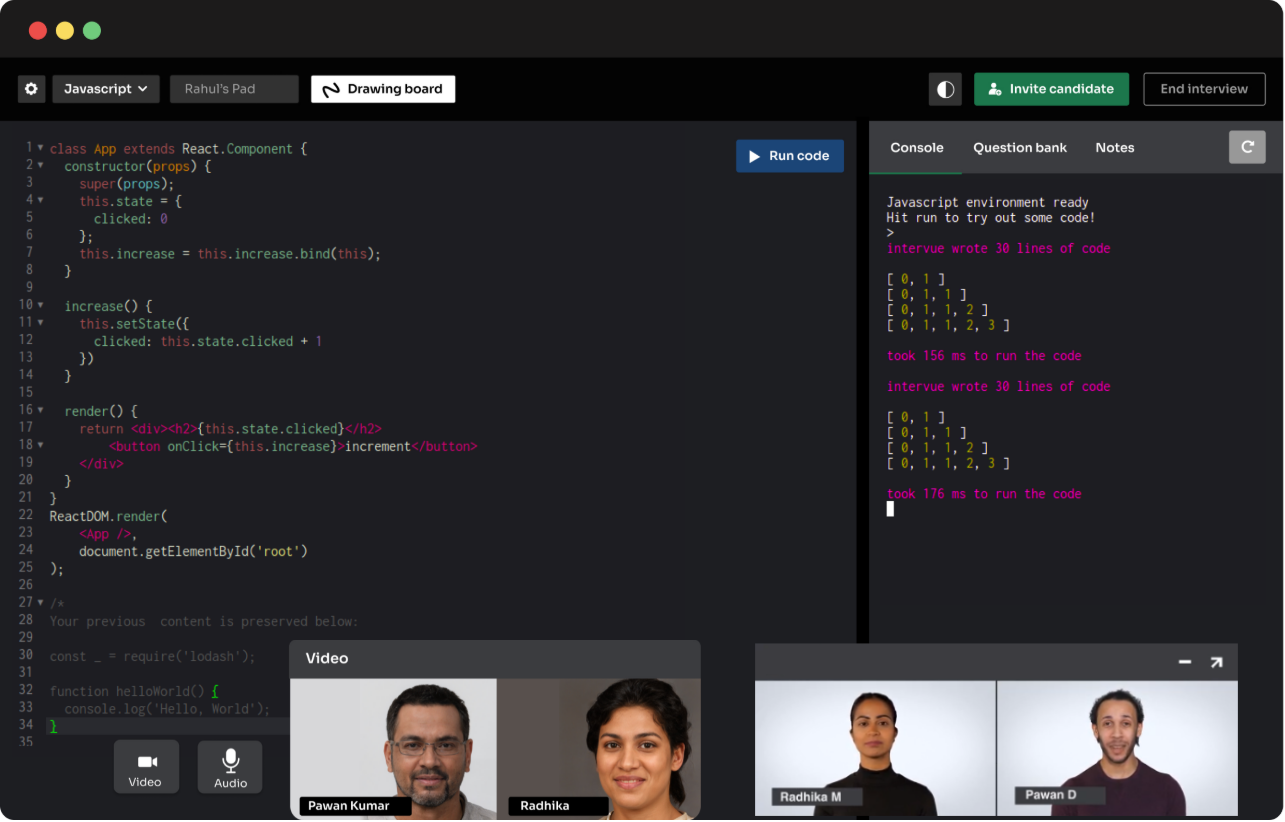
Selecting the best workforce management system starts with understanding your team size, industry, and core pain points—whether that's scheduling complexity, payroll errors, or hiring bottlenecks. Prioritize platforms that integrate seamlessly with your existing HR tech stack (ATS, HRIS, payroll providers) to eliminate duplicate data entry and reduce implementation friction. Evaluate compliance capabilities carefully if you operate across multiple states or countries, ensuring the system auto-updates for local labor laws and predictive scheduling ordinances. For companies scaling technical hiring or managing high-volume candidate pipelines, consider how workforce management extends into talent acquisition; Interview as a Service platforms like Intervue close the gap between workforce planning and hiring execution. Finally, Book a Demo with shortlisted vendors to test mobile usability, reporting depth, and support responsiveness before committing to annual contracts.
Frequently Asked Questions
What is workforce management software and who needs it?
Workforce management software is a digital platform that automates employee scheduling, time tracking, labor forecasting, and compliance monitoring, replacing manual spreadsheets and paper timesheets. It's essential for any organization with shift-based workers, hourly employees, or complex scheduling needs—including retail, healthcare, manufacturing, call centers, and hospitality. Companies with 20+ employees typically see ROI within 3–6 months through reduced labor costs, fewer scheduling errors, and improved compliance.
What is the difference between workforce management software and an HRIS?
Workforce management software focuses on operational scheduling, time and attendance tracking, and labor optimization, while an HRIS (Human Resources Information System) manages broader employee lifecycle data like onboarding, benefits, performance reviews, and offboarding. Many modern platforms blur these lines—tools like Workday and ADP offer both HRIS and WFM modules in unified suites. Smaller businesses often start with standalone WFM tools and later integrate with a separate HRIS as they scale.
How much does workforce management software cost in 2026?
Pricing for workforce management software typically ranges from $2 to $18 per employee per month, depending on features, company size, and deployment model. Entry-level platforms like When I Work and Deputy start at $2–$3 per user, mid-market solutions like ADP and Paycor cost $5–$10 per user, and enterprise suites like UKG and Workday require custom quotes often exceeding $10 per user. Most vendors offer free trials or pilot programs to demonstrate ROI before full deployment.
Final Thoughts
The workforce management software landscape in 2026 is defined by AI-driven automation, real-time payroll integration, and mobile-first employee experiences that reduce administrative friction and improve labor cost visibility. Whether you're optimizing shift coverage for frontline teams or scaling technical hiring pipelines, the right WFM platform transforms workforce planning from reactive firefighting into strategic advantage. Intervue uniquely bridges workforce management and talent acquisition by automating interview logistics, standardizing candidate evaluation, and delivering hiring analytics that feed directly into headcount planning—helping fast-growing teams hire better, faster, and more fairly. Get Started with Intervue.